EV chargers come in two tribes: AC and DC, and they don’t so much compete as tag-team your battery.
AC at home or work is usually Type 2 (Mennekes) in Australia, at roughly ~2.4 kW from a standard 10 A socket, up to ~7.4 kW on single‑phase wallboxes, and ~11 kW on three‑phase—think overnight top-ups rather than pit stops.
DC fast charging on the road uses CCS2 here, delivering around 50–350 kW, which translates to a coffee-to-lunch stop for a big chunk of range if your car can take it.
CHAdeMO still exists mainly for older Nissan Leafs, but it’s fading faster than your New Year’s gym plan.
Tesla in Australia now uses Type 2 for AC and CCS2 for DC, so you’re not in a secret club anymore—just mind any access restrictions at specific sites.
Bottom line: AC is the slow, friendly workhorse; DC is the impatient sprinter, and your actual speeds depend on both the charger’s output and your car’s onboard limits.
 Batteries and Chargers
 Interconnects and Cables
 2Batteries and Chargers
 2Batteries and Chargers
 2Batteries and Chargers
 5Mobile Phones Accessories
 2Batteries and Chargers
 3Batteries and Chargers
 3Batteries and Chargers
 3Batteries and Chargers
 3Batteries and Chargers
 Interconnects and Cables
 Batteries and Chargers
 Interconnects and Cables
 Batteries and Chargers
 Headphones and Microphones
 2Mobile Phones Accessories
 3Cameras Accessories
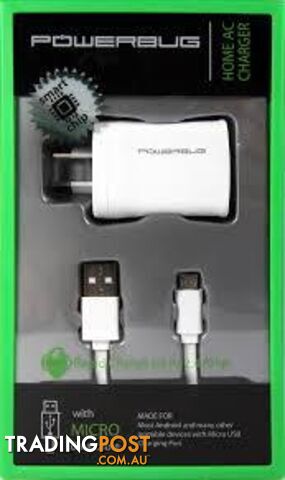 Batteries and Chargers
 3Mobile Phones Accessories
 Batteries and Chargers
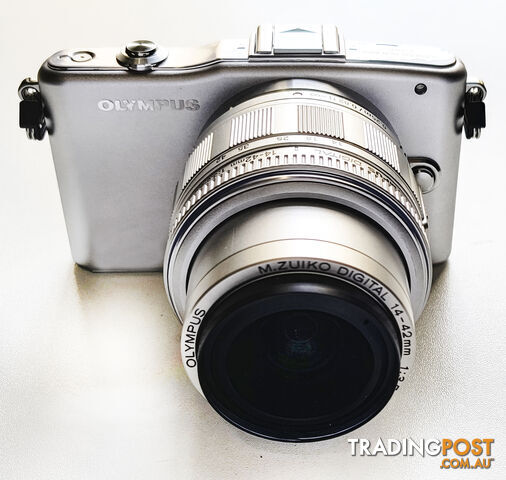 4Cameras
 7Batteries and Chargers
 5Batteries and Chargers
 4Batteries and Chargers
 3Batteries and Chargers
 Interconnects and Cables
 4Batteries and Chargers
 7Batteries and Chargers
 5Batteries and Chargers
Listing your ad only takes a few minutes, and most categories are free.
Post an adA weekly hand-picked round-up of the best bargains, free stuff, and trending listings. No spam, unsubscribe anytime.