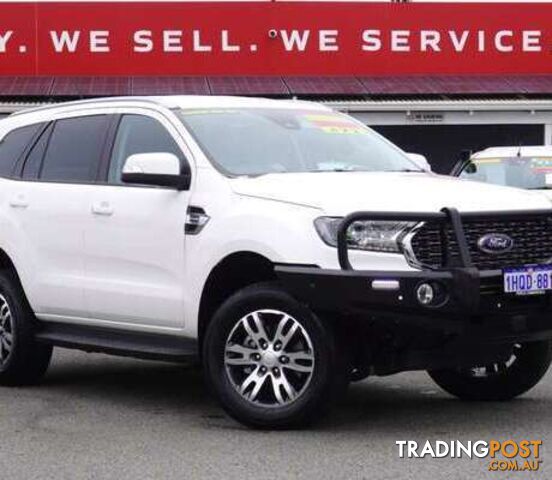
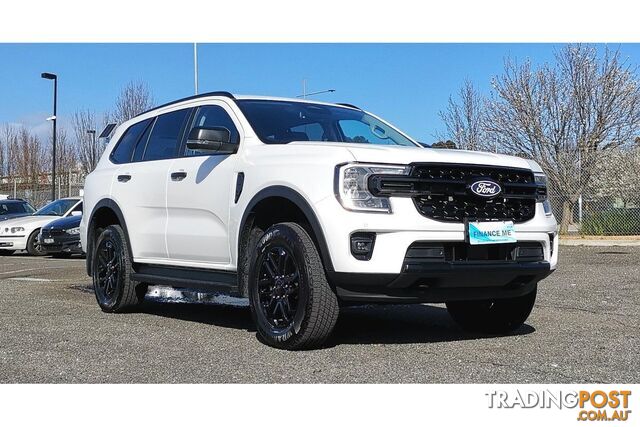
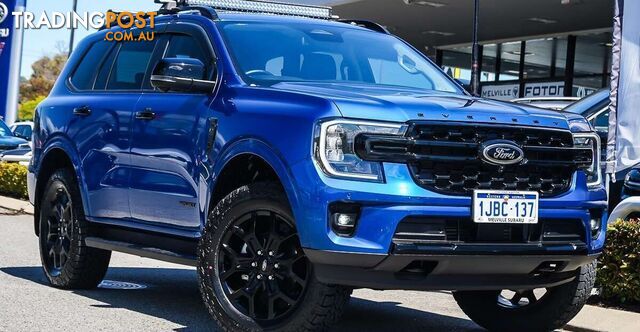
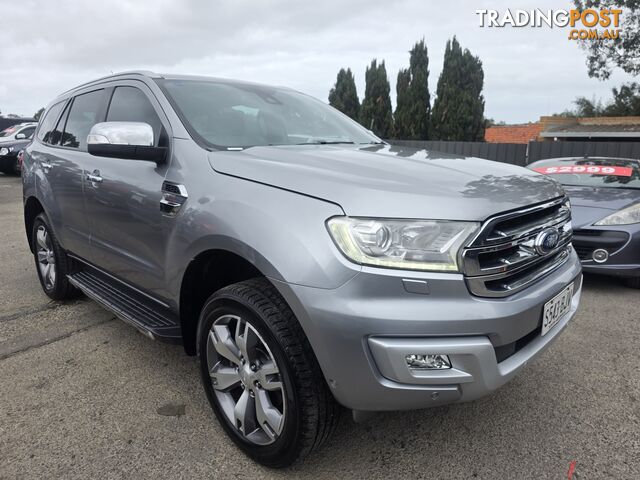
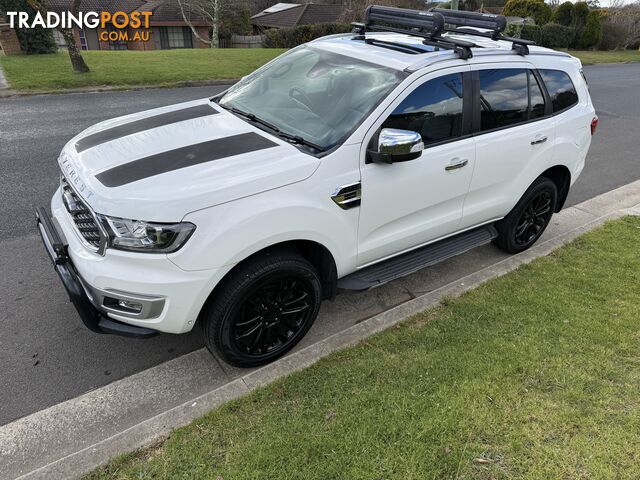
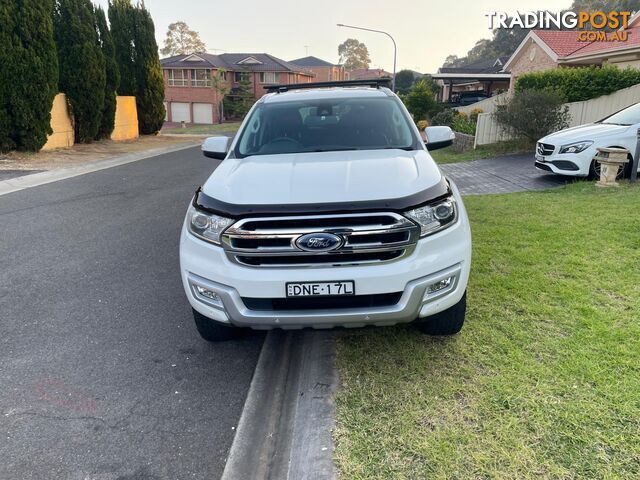
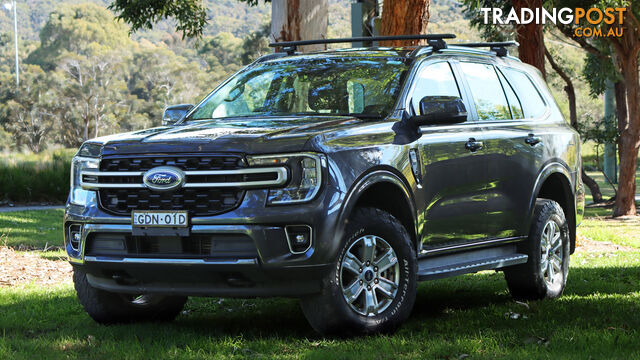
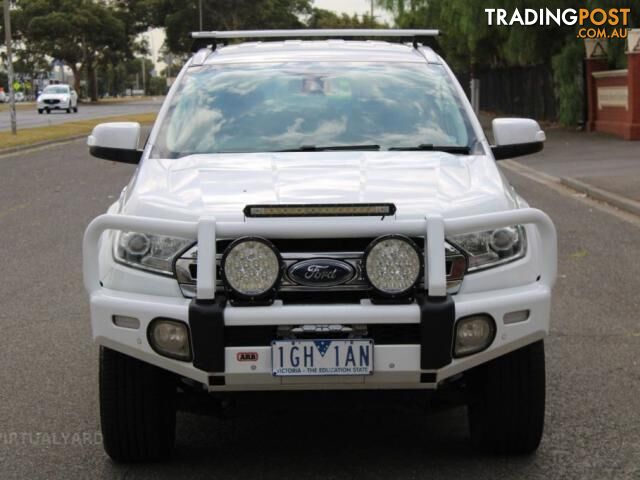
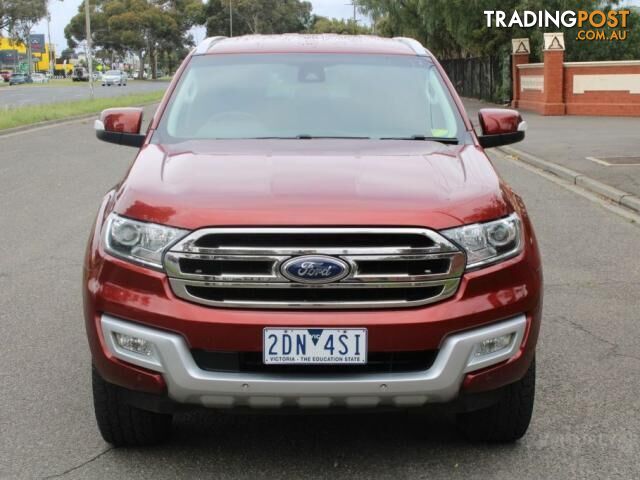
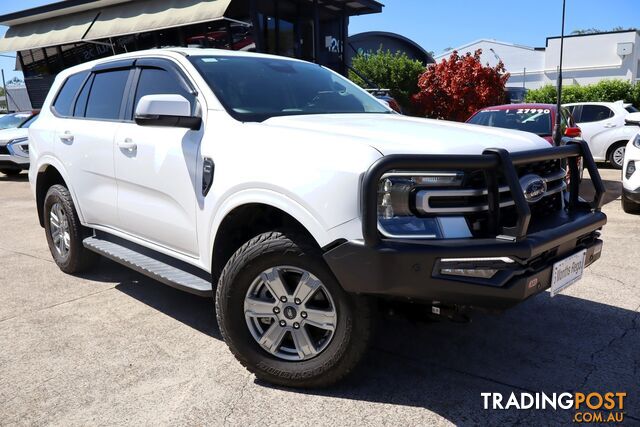
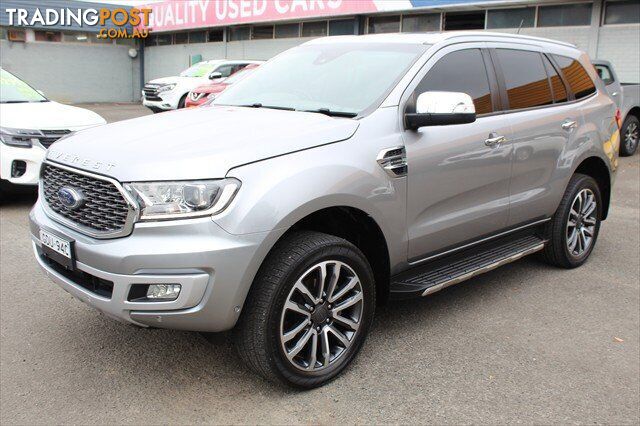
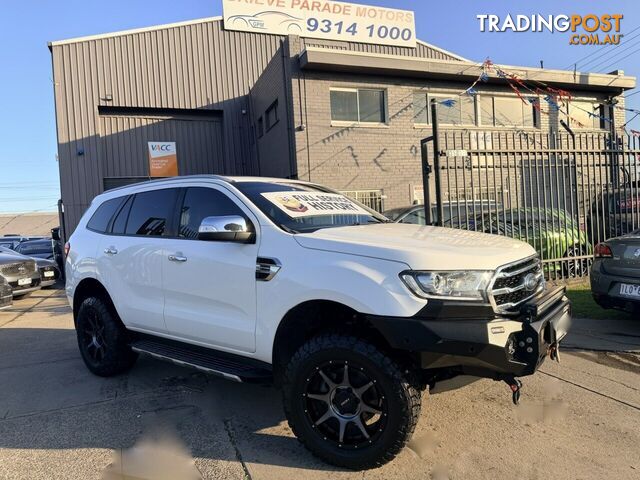
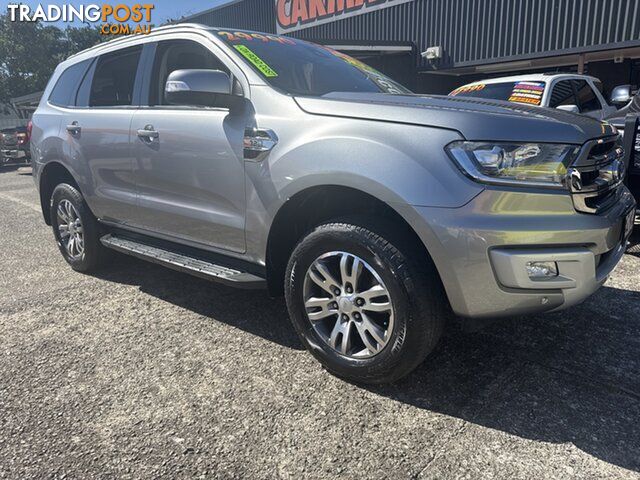
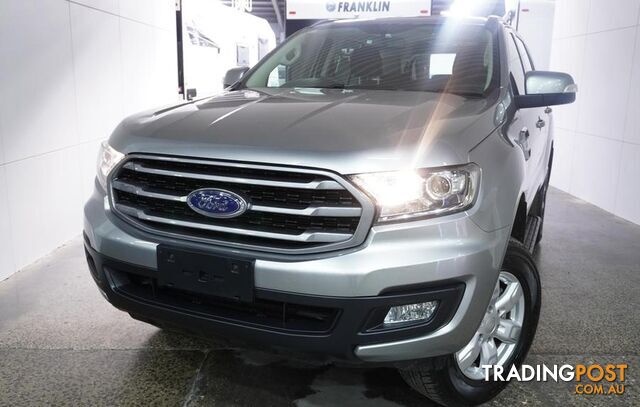
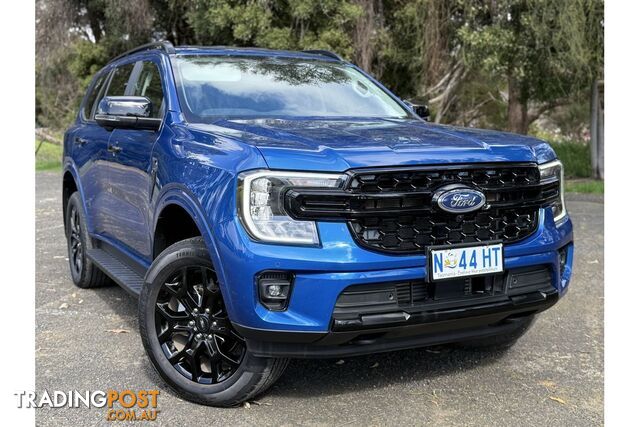
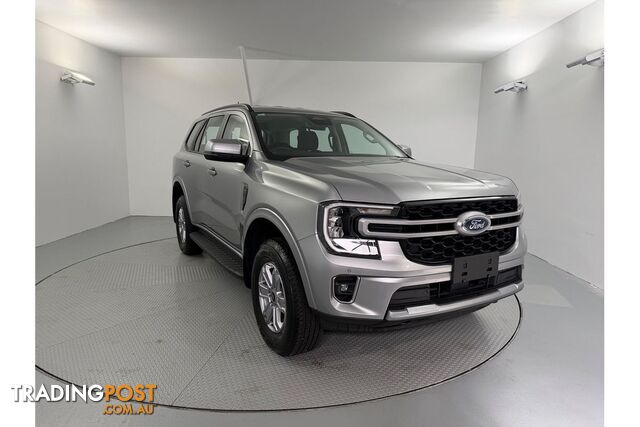
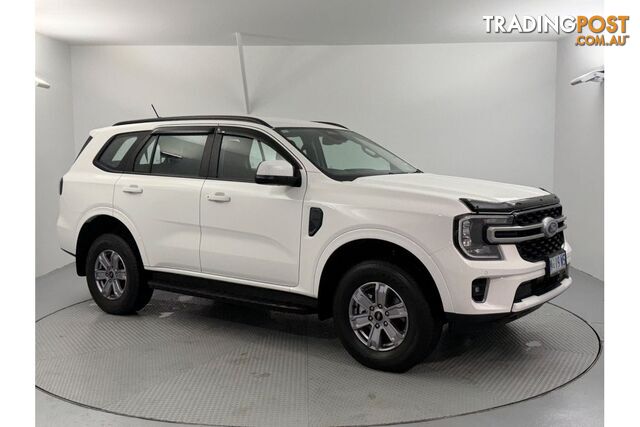
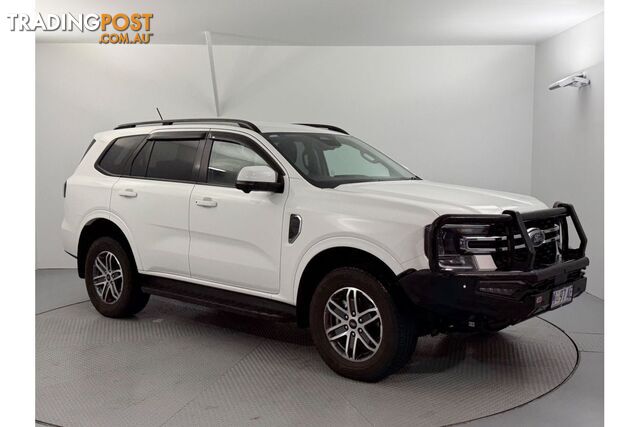
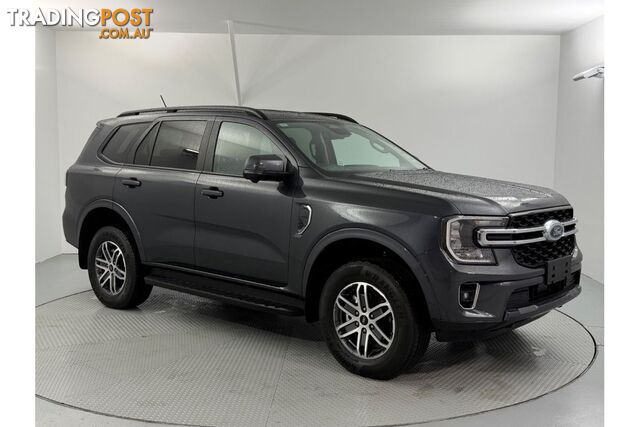
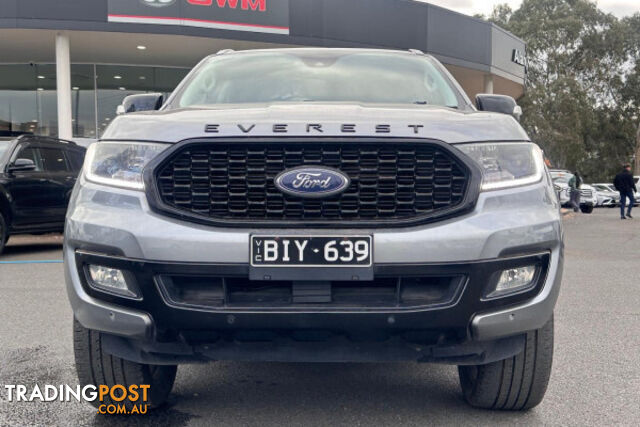
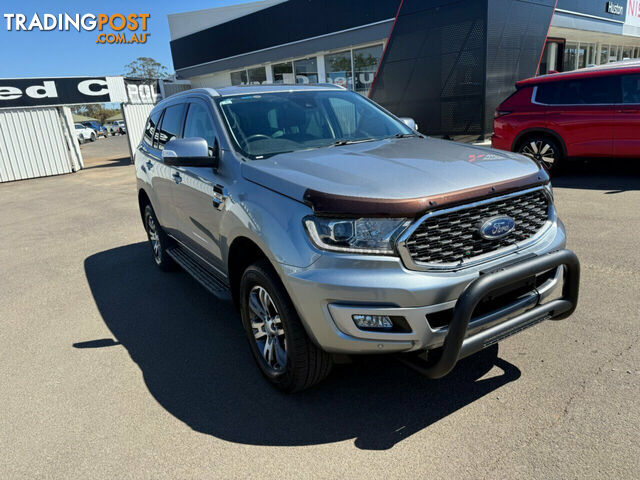
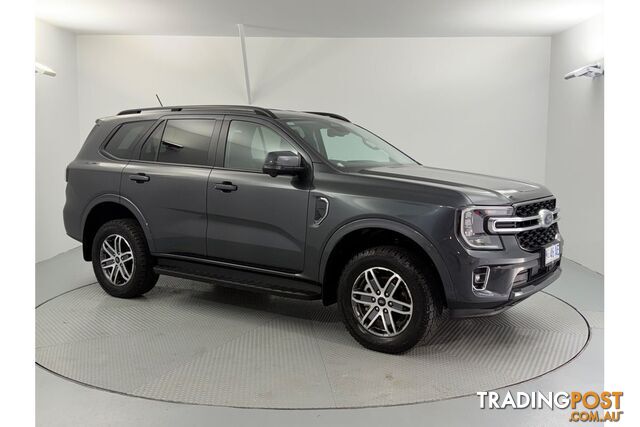
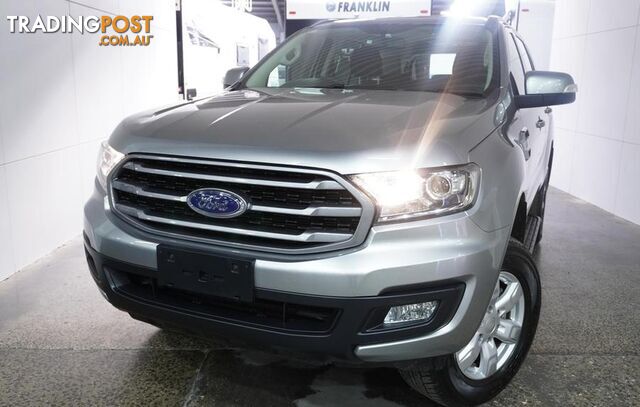
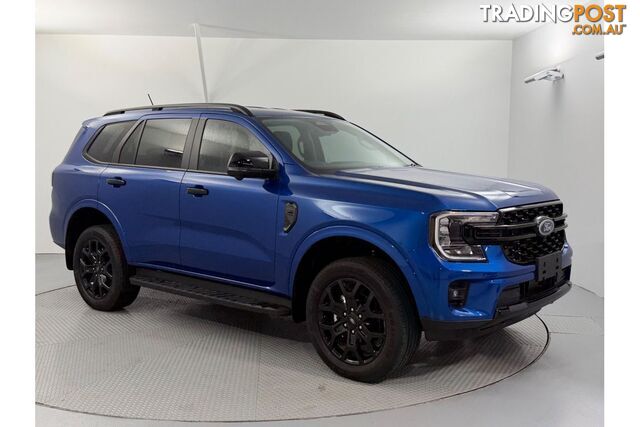
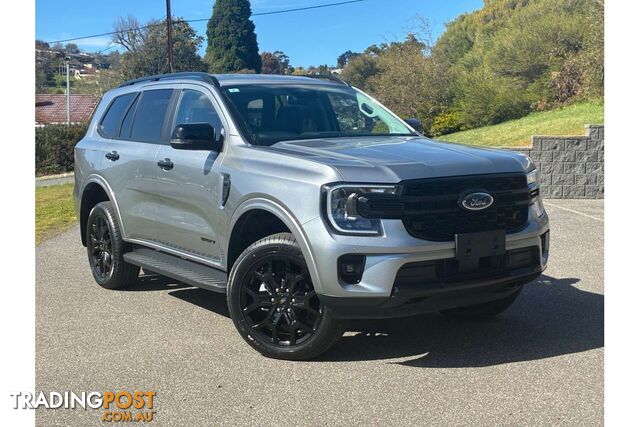
Setting up a Ford Everest for off-road is less about chrome bull bars and more about tyres, pressures, and protection.
Fit quality all-terrain rubber (consider downsizing to 17–18 inch wheels if you’ve got big bling rims) and air down to roughly 110–160 kPa on sand, 160–200 kPa on rocks/corrugations, then back to about 240–260 kPa for the highway.
A modest 40–50 mm suspension lift with decent dampers, plus rated recovery points, underbody bash plates, and a snorkel, turns “soft-roader” into “let’s have a crack” without breaking the ADRs.
Use the Terrain Management modes wisely—4H for dirt, 4L for steep/technical stuff, and engage the rear diff lock if fitted—while keeping an eye on GVM, payload, and towball download.
Carry proper recovery gear and a compressor, and remember the golden rule: air down for grip, air up before the bitumen, and don’t pick tracks your ego can’t recover from.
Accessories and take-off wheels pop up on Tradingpost, saving you cash for the inevitable pie stop.