Importing machinery from China to Australia isn’t witchcraft, but it does require paperwork and patience. You’ll need accurate HS classification, a commercial invoice, packing list and bill of lading, then lodge an import declaration with ABF, pay any duty (rate varies by HS code and FTA eligibility) plus 10% GST on the customs value. Biosecurity will want a word too: expect DAFF inspections and possible cleaning/fumigation if it’s grubby or used. Sea freight is usually cheapest (FCL/LCL), air is faster but pricey; insure the lot, and sort Incoterms with your supplier so you know who handles what and when. A licensed customs broker can save you hours and headaches, particularly on quarantine and tariff treatment. Budget for port, handling and delivery charges on top, and you’ll have your shiny kit legally in-country without needing a stiff drink at the wharf.
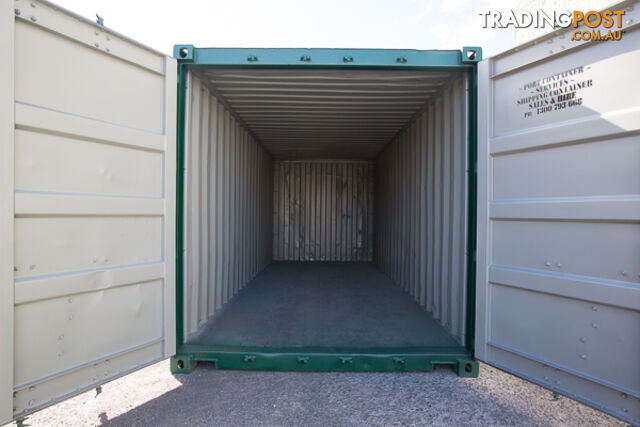
 Storage and Shipping
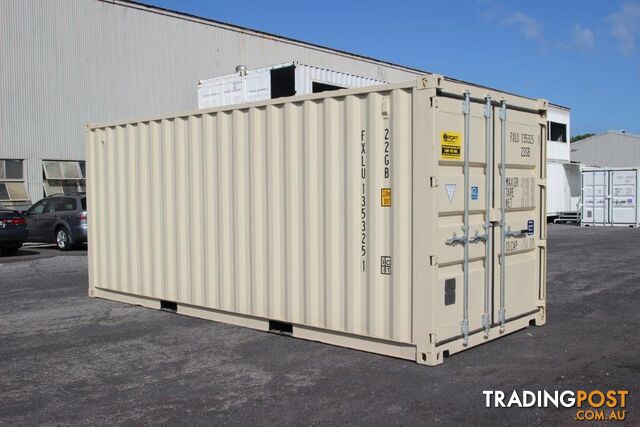 Storage and Shipping
 Storage and Shipping
 Storage and Shipping
 Storage and Shipping
 Storage and Shipping
 Storage and Shipping
 Storage and Shipping
 Storage and Shipping
 Storage and Shipping
 Storage and Shipping
 Storage and Shipping
 Storage and Shipping
 Storage and Shipping
 Storage and Shipping
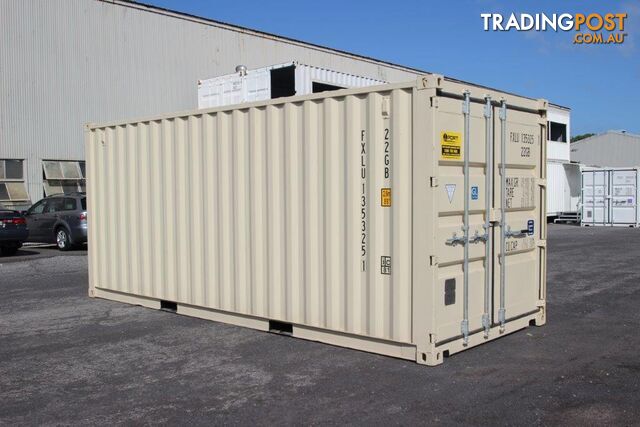 Storage and Shipping
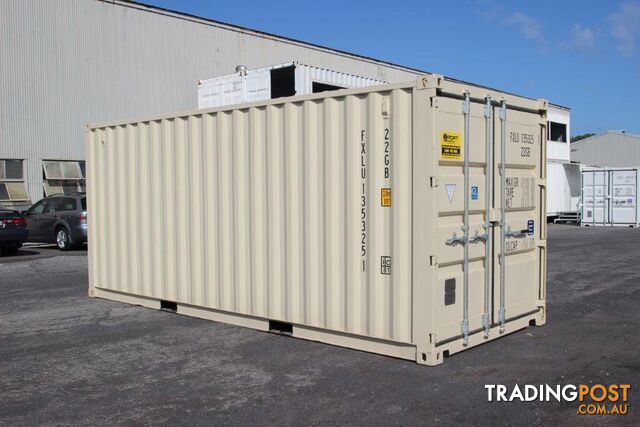 Storage and Shipping
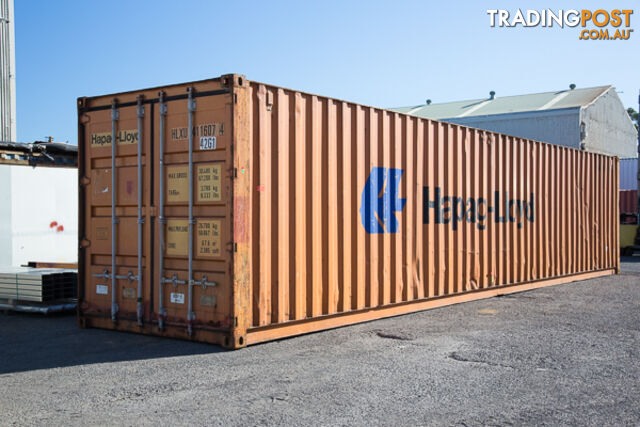 Storage and Shipping
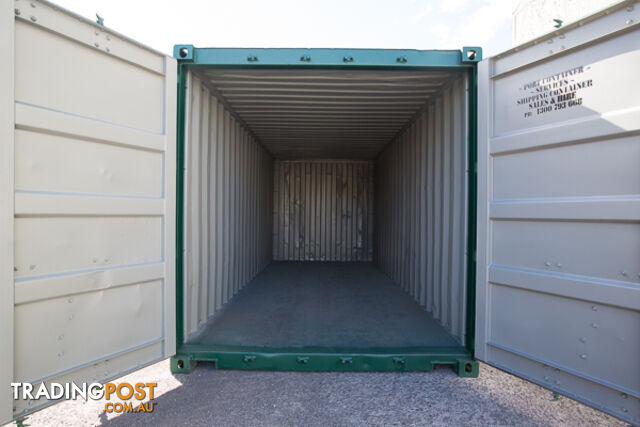 Storage and Shipping
 Storage and Shipping
 Storage and Shipping
 Storage and Shipping
 Storage and Shipping
 Storage and Shipping
 Storage and Shipping
 Storage and Shipping
 Storage and Shipping
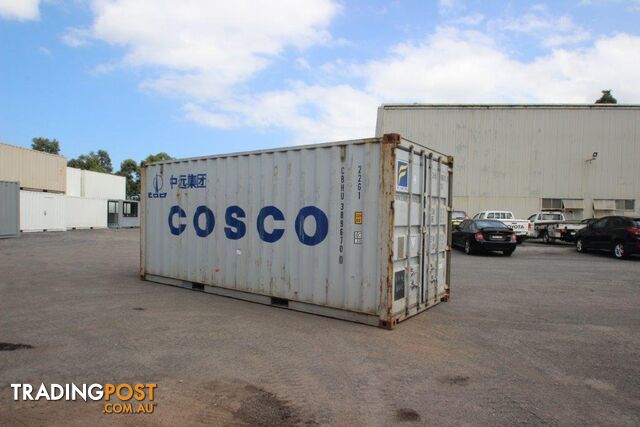 Storage and Shipping
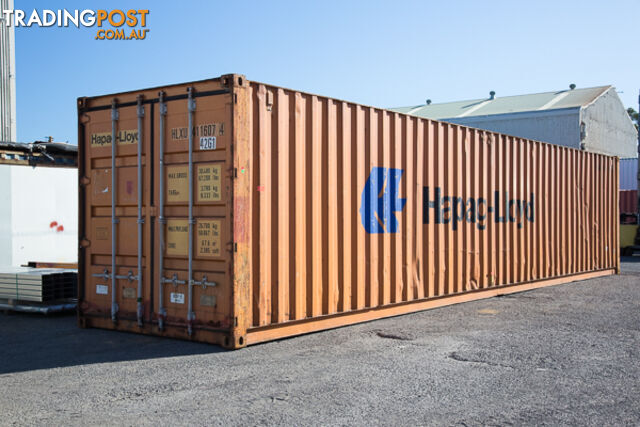 Storage and Shipping
 Storage and Shipping
Listing your ad only takes a few minutes, and most categories are free.
Post an adA weekly hand-picked round-up of the best bargains, free stuff, and trending listings. No spam, unsubscribe anytime.